Cowboy Bob Kelly
The Heart and Soul of Gulf Coast Wrestling
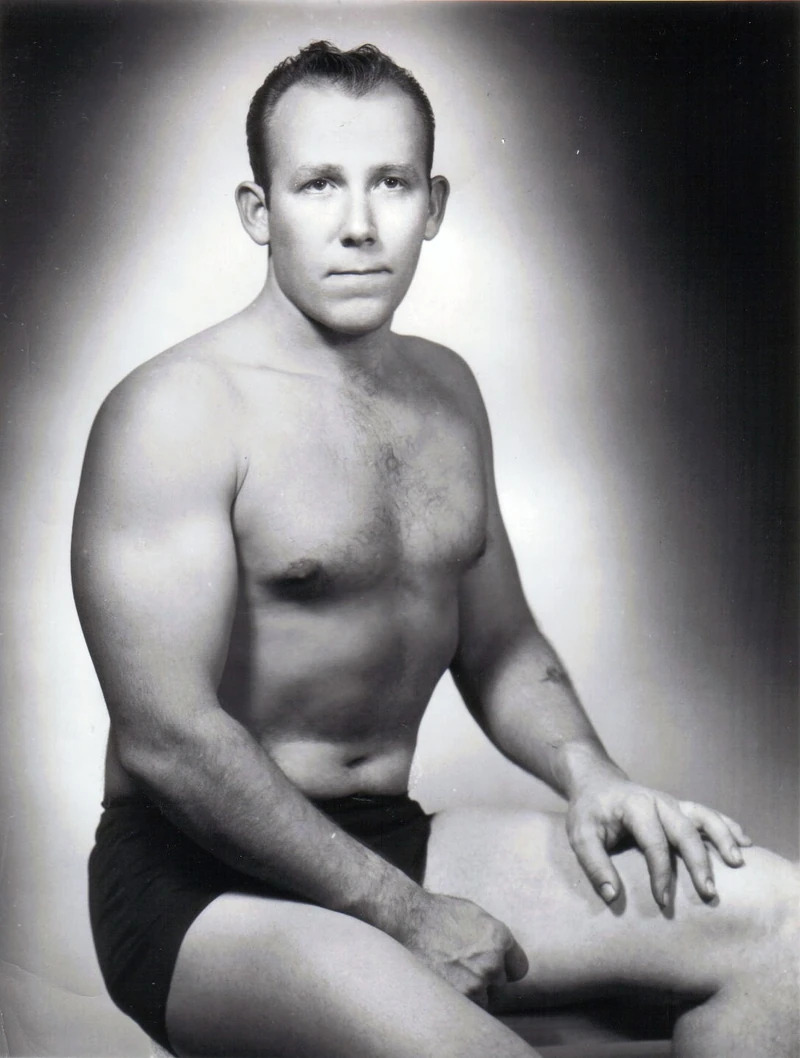
John Wayne, Wyatt Earp and Roy Rogers all rolled into one. A Kentucky farm boy who became the most beloved wrestler in the Gulf Coast territory — a record 18-time Mississippi Heavyweight Champion, 11-time Gulf Coast Champion, promoter, booker, stock car driver, and the man who kept a whole generation of wrestlers together long after the territory lights went dark.
Contents
- 01Farm Boy, Marine, Cowboy: The Making of Robert Kelley (1936–1959)
- 02From Ring Crew to Main Event: The Making of a Wrestler (1959–1966)
- 03The Heart of the Gulf Coast: Champion, Babyface, Hometown Hero (1966–1976)
- 04Rivals and Ragin' Feuds: Sullivan, Fargo, and the Big Blue Yankee
- 05The Bookerman: Promoter, Talent Scout, and the Art of the Territory
- 06Life After the Bell: Racing, Towing, and the Gulf Coast Reunion
- 07Legacy: Hall of Fame, Memories, and the Cowboy's Last Ride
- 08Bibliography & Sources
Farm Boy, Marine, Cowboy: The Making of Robert Kelley (1936–1959)
Robert Raymond Kelley was born on June 28, 1936, on a farm in rural Louisville, Kentucky. Before professional wrestling ever entered his life, two things defined the young Kelley: the rodeo and the United States Marine Corps.
Kelley was an avid rodeo man and a competitive bronco rider in his youth. The cowboy hat, the drawl, the unshakable cool under pressure — it wasn't a gimmick. It was the way he'd lived his whole life. The nickname "Cowboy" would follow him into the wrestling business and never let go.
In the early 1950s, Kelley shipped off to serve in the U.S. Marine Corps. It was there, on the mats of the Marine wrestling team, that he first discovered grappling. The discipline and toughness of military life gave him a foundation, but it was the ropes — not the rifles — that would define his future.
In June 1958, he married Chris, the woman who would be his partner for more than fifty-five years. The following year, at the age of twenty-three, Robert Kelley stepped into the wrestling business for the first time.
"I was so thankful I spent my time in Mobile. I was just blessed. I really did enjoy what I did and what happened to me since then." — Cowboy Bob Kelly, The Pro Wrestling Hall of Fame: Heroes & Icons
From Ring Crew to Main Event: The Making of a Wrestler (1959–1966)
The wrestling business didn't welcome Robert Kelley with open arms. At five-foot-eleven and 216 pounds, he wasn't a giant. It took some convincing before anyone would put him in the ring. But Kelley didn't start with a headlock — he started with a hammer and nails.
In 1959, in a Louisville, Kentucky, promotion run by Wee Willie Davis and owned by Jim Barnette, Kelley began by setting up the ring and helping the ring crew. From there, he graduated to ring announcing. Then came refereeing. Then, finally, the ring itself.
Davis and Doug Kinslow were his first trainers. They taught him the basics, the holds, the falls, the structure of a match. But Kelley knew he needed more. He needed a territory, a real teacher, a proving ground.
In the summer of 1965, he got his first big break: a road trip to North Bay, Ontario, to wrestle for promoter Larry Kasaboski in the Northland Wrestling territory. There, wrestling under the names "Irish" Bob Kelly and later The Hangman, he found his mentor in Matt Gilmore, best known as Duncan McTavish.
"He always liked me. He watched me work... he asked Larry to book me with him in North Bay so he could work with me and show me what to do." — Cowboy Bob Kelly, on Matt Gilmore
Kasaboski's territory was a boot camp in the Canadian wilderness — long drives, small towns, cold buildings, and tough crowds. It made wrestlers or broke them. Kelley survived, learned, and came back south a different man.
He arrived in Mobile, Alabama, in October 1965, where promoters Lee Fields and Charlie Carr would finish what Davis and Kinslow had started. Fields, in particular, took a liking to the young Kentuckian. What began as a professional relationship became the deepest friendship of Kelly's life.
"I experienced two miracles in my life. The first was when I met and married my wife Chris, and the second was when I met Lee Fields." — Cowboy Bob Kelly
The Heart of the Gulf Coast: Champion, Babyface, Hometown Hero (1966–1976)
The Gulf Coast territory was a sprawling wrestling domain that stretched across southern Alabama, Mississippi, and into the Florida panhandle — Mobile, Pensacola, Hattiesburg, Gulfport, Laurel, Meridian, Baton Rouge. In the 1960s and 1970s, one man was its heart and soul.
Cowboy Bob Kelly became the top babyface in the Gulf Coast, and he held that position for a decade. Unlike most wrestlers of the territory era, who criss-crossed the country in cars and buses chasing bookings, Kelly didn't need to leave. Gulf Coast was his home, and he was its man.
"It was a deal where we didn't need to go anywhere else. We had a home there and we was booked and we was on top, we made money. We were only out of town once or twice a week." — Cowboy Bob Kelly
His finishing hold was The Bulldog — a grinding, punishing submission that fit the man perfectly. No flash, no theatrics, just pressure and will. Fans packed the buildings to watch him win. They stayed after the matches for autographs. They called him their own.
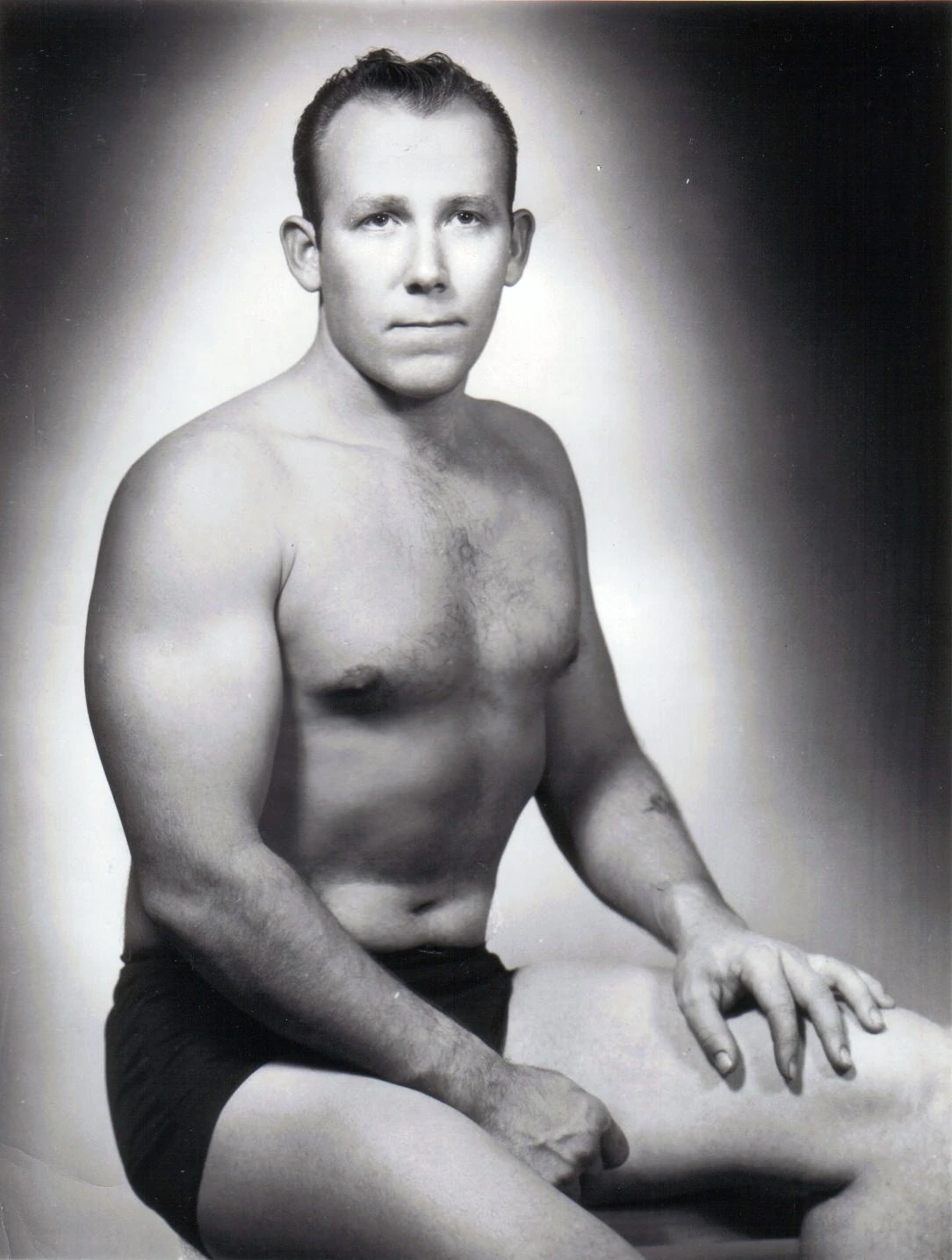
His title haul across the territory was staggering. In addition to the eighteen Mississippi Heavyweight and eleven Gulf Coast Heavyweight Championships, Kelly held the NWA City of Mobile Heavyweight Championship four times, the NWA Alabama Heavyweight Championship, the NWA Gulf Coast Louisiana Heavyweight Championship, the NWA Brass Knuckles Championship, and city championships across Hattiesburg, Laurel, Meridian, Pensacola, and Gulfport.
His tag team gold was equally impressive:
- NWA Gulf Coast Tag Team Championship (5 times) — with Bobby Fields, Ramon Perez, and Rip Tyler
- NWA Mississippi Tag Team Championship (4 times) — with Frank Dalton and Bobby Fields
- NWA United States Tag Team Championship (3 times) — with Mike Boyette, Ken Lucas, and Rocket Monroe
He wrestled occasionally in Eddie Graham's Southern Florida territory and made a couple of trips to Puerto Rico, but Gulf Coast was home. It was the only territory he ever needed.
Rivals and Ragin' Feuds: Sullivan, Fargo, and the Big Blue Yankee
A champion is only as great as the men he fights, and Cowboy Bob Kelly fought some of the best the Gulf Coast had to offer. He named three feuds above all others: Eddie Sullivan, Don Fargo, and The Big Blue Yankee (Curtis Smith).
Eddie Sullivan was the arrogant, rough heel who gave Kelly everything he could handle. The two clashed across the territory in matches that drew some of the biggest houses of the era. Kelly later helped reshape Sullivan's character, turning him into a rough, arrogant "Mexican" heel — and eventually putting him together with Rip Tyler as a tag team that was, in Kelly's words, "as good as any that ever got in a ring."
Don Fargo brought a brass knuckle trophy in from Texas and challenged anyone in the territory to take it. Kelly accepted. He won the trophy and was never defeated for it. The feud between the two became the most heated rivalry of Kelly's career — a blood feud that had fans standing on their chairs in every town from Mobile to Pensacola.
The Big Blue Yankee, the ring name of Curtis Smith, was a constant thorn in Kelly's side. Their battles were long, physical, and deeply personal, and they remain among the most fondly remembered feuds in Gulf Coast wrestling history.
"I have had a lot of great matches, not because I was that good, but because I was lucky enough to have had some of the best opponents in the business at that time." — Cowboy Bob Kelly
Kelley rattled off a who's who of Gulf Coast greats he shared the ring with: Bobby Shane, Gorgeous George Jr., Greg Valentine, Duke Myers, Sweet Daddy Banks, Big Ron Bass, Rocket Monroe, Jackie Fargo, Big Bad John, Tiny Frazier (The Convict), Dr. Jerry Graham, and many more. The Gulf Coast territory may not have had the national profile of the WWWF or the AWA, but its roster was as deep as any territory in the country, and Cowboy Bob Kelly was the man at the top of it.
The Bookerman: Promoter, Talent Scout, and the Art of the Territory
When Lee Fields retired and sold the Gulf Coast wrestling territory to the Fuller family in 1977, Cowboy Bob Kelly stepped out of the ring for the last time as a full-time competitor. But he didn't step out of the business.
Kelley became the booker for the Gulf Coast territory — the man who decided who wrestled whom, who won, who lost, and who went over. Working alongside Fields before his retirement, and later coordinating with Sam Muchnick and the National Wrestling Alliance, Kelly was responsible for bringing talent from other territories into Mobile, Pensacola, and the Mississippi towns.
The booker was the unsung architect of a territory's success. Kelly had an eye for talent and a deep understanding of what the Gulf Coast audience wanted. He knew which heels would draw heat, which babyfaces the fans would pay to see, and how to build a feud that would sell tickets for weeks.
He also kept himself in shape. Periodically, when a storyline demanded it, Kelly would come "out of retirement" for a match or two — always to massive pops from the crowd. His final match came in 1986, a full decade after his full-time career had ended in 1976.
"After the matches, we'd never just leave. We stayed around and signed autographs." — Cowboy Bob Kelly, on connecting with fans
Life After the Bell: Racing, Towing, and the Gulf Coast Reunion
Wrestling was the biggest part of Cowboy Bob Kelly's life, but it was never the only part. The man who had once ridden broncos for sport found a new thrill in the early 1970s: stock car racing.
In 1972, Lee Fields bought the Mobile International Speedway, a half-mile high-banked asphalt track. Kelly bought his own race car that same year and raced until 1976, splitting time between Mobile, Five Flags Speedway in Pensacola (owned by Tom Dawson), and Pelican Speedway in Baton Rouge. The cowboy who had spent a decade in the wrestling ring was now trading paint on Saturday nights.
After wrestling, Kelly went into the real estate business and then into towing — a wrecked service in Mobile that his son-in-law, Jimmy Williams, would eventually run. It was honest, physical work, and it suited him.
But Kelly's greatest post-wrestling contribution was the Gulf Coast Wrestlers Reunion. The idea came about casually one day when Kelly and Terry Lathan were talking and decided to host a barbecue for old friends from the territory. They invited Lee, Bobby and Don Fields, Rip Tyler and their wives. Tyler called Eddie Sullivan in Arizona, Sullivan called Curtis Smith in Georgia, and suddenly the list kept growing. The backyard barbecue became an annual reunion.
Lee Fields was elected President, Kelly became Vice-President, and the event grew year after year — incorporating formally, drawing 185 attendees at its eleventh gathering, and becoming the anchor that kept the Gulf Coast wrestling family together long after the territory itself had vanished. It was an invitation-only affair, strictly for those in the wrestling business and a select few others.
"The wrestling business has given me some awfully good memories and friends. People today call me because I'm Cowboy Bob Kelly. It's still a blessing." — Cowboy Bob Kelly, The Pro Wrestling Hall of Fame: Heroes & Icons
Kelley also served on the Board of Directors of the Cauliflower Alley Club, the wrestling industry's fraternal organization, and was a familiar face at its annual reunions in Las Vegas — always with his cowboy hat on, always with time for anyone who wanted to talk.
Legacy: Hall of Fame, Memories, and the Cowboy's Last Ride
In the final years of his life, the honors came fast. In 2013, Cowboy Bob Kelly was inducted into the Lee Fields Gulf Coast Wrestling Hall of Fame — named for his best friend, who had died in June 2000. In 2014, he was inducted into the NWA Hall of Fame as part of the class of 2014, recognizing a career that had defined a territory for a generation.
The year before his induction, Kelly suffered the loss of his wife, Chris, who died in October 2013 after fifty-five years of marriage. At the Cauliflower Alley Club reunion that year, Kelly was presented with a deeply personal tribute: an orphanage in Africa that would be named in Chris's honor. It was, by all accounts, one of the most emotional moments in the club's history.
Cowboy Bob Kelly died on October 12, 2014, at the age of seventy-eight, with his family by his side, after an illness. He was survived by his five children.
The outpouring of grief was immediate and genuine. Wrestling writers, historians, and fellow wrestlers — men who had known him for decades and men who had only met him once — spoke of him with a reverence reserved for very few. He was called the absolute nicest person many had ever met in the business. He was remembered not just as a great wrestler or a great champion, but as a great man.
"Cowboy Bob Kelly might just be the absolute nicest person I've ever met in almost three decades writing about professional wrestling." — John F. Molinaro, Slam Wrestling
He was described as "John Wayne, Wyatt Earp, and Roy Rogers all rolled into one" — a man who didn't need the gimmick because he'd lived the life. The cowboy hat wasn't costume. It was character.
Kelly once summed up his own career with the simplicity that defined everything he did:
"When I look back, I thank God for having me in the right place, at the right time, every time." — Cowboy Bob Kelly
Neither the Gulf Coast Wrestlers Reunion nor the Cauliflower Alley Club would be the same without him. But the legacy he built — the championships, the feuds, the friendships, the annual gathering he started with a barbecue and a phone call — endures. The cowboy may have ridden off, but the territory he loved remembers his name.
Bibliography & Sources
Primary sources:
• Interview with Cowboy Bob Kelly, "Wrestling Then and Now," angelfire.com.
• Interview with Cowboy Bob Kelly, "Cowboy Bob Kelly," kayfabememories.com.
• Cowboy Bob Kelly profile, cowboybobkelly.com (official site, now defunct).
• Online World of Wrestling, "Bob Kelly" career profile (interviews conducted directly with Kelly).
Reference and press sources:
• "Bob Kelly (wrestler)," Wikipedia (biographical data, championship records, career timeline).
• John F. Molinaro, "Mat Matters: Reflections on Cowboy Bob Kelly," Slam Wrestling, October 13, 2014.
• Slam Wrestling, "Cowboy Bob Kelly," obituary, October 15, 2014.
• Wrestling Inc., "Gulf Coast Legend 'Cowboy' Bob Kelly Passes Away," October 12, 2014.
• Mike Mooneyham, "Cowboy Bob Kelly was the ultimate hometown hero," Post and Courier (Charleston, SC), 2014.
• The Pro Wrestling Hall of Fame: Heroes & Icons (book), biography of Cowboy Bob Kelly by Mike Mooneyham.
• NWA Hall of Fame, class of 2014 induction announcement.
• Cauliflower Alley Club, memorial tribute, October 2014.
Photographs:
Photographs used on this page are sourced from publicly available archives and fan communities. Full attribution is noted beneath each image. If you are the copyright holder of any image used here and wish it removed, please contact the author.